Research & Policy Work
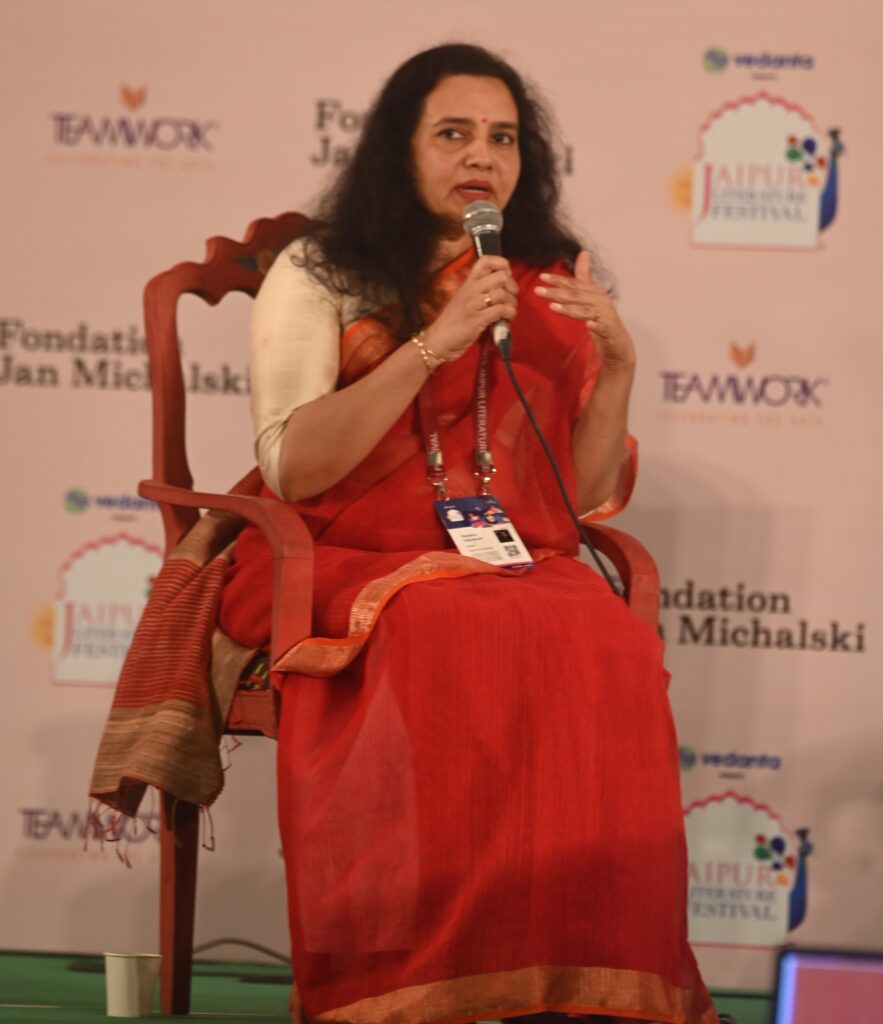
Vandana Vasudevan works as a researcher and consultant on issues related to technology, work, mobility and urban change. Her work combines field research and policy analysis to understand how economic and social transformations shape everyday life.
Platform Labour & Digital Markets
Digital platforms have transformed how people buy, sell, and work. Vandana’s research examines the rapidly evolving ecosystem of online marketplaces, gig work, and platform-based services.
Her work explores the experiences of delivery workers, ride-hailing drivers, small online sellers, and consumers navigating these digital systems. Through field interviews and case studies across India and South Asia, she studies how platform companies influence labour relations, income stability, and market access.
This research also addresses broader policy questions, including the regulation of gig work, platform accountability, worker protections, and the long-term impact of digital marketplaces on employment and small businesses.
Technology and Work
Vandana’s work explores how technology is reshaping work and livelihoods in contemporary India. Through field research and policy studies, she has studied automation, platform work, gig labour and the changing relationship between workers, consumers and businesses.
Selected Research
A study of automation across auto-component manufacturing firms in Gurugram-Manesar and its implications for firms and workers.
Centre for Social and Economic Progress (CSEP) | 2026
India’s largest survey of gig workers, covering 5,220 workers across 32 cities through face-to-face interviews.
Janpahal | 2024
Inclusive Urban Mobility
Her research examines how mobility shapes access to work, education and opportunities in cities. Her studies explore how public transport and informal transport networks affect the everyday lives of urban residents, particularly women and other groups facing barriers to mobility, safety and accessibility.
Selected Research
A ‘How to’ toolkit for urban and transport authorities to integrate gender considerations into urban mobility and public space planning.
World Bank, India | 2022
A global study of 30+ gender-segregated transport models and their implications for ride-hailing platforms.
IFC Washington | 2020
A doctoral study examining how mobility and spatial accessibility shape women’s everyday lives, opportunities and well-being. Drawing on extensive primary research across cities in India and France, it explores the relationship between gender, mobility and urban inclusion.
PhD Thesis | University of Grenoble-Alpes, France | 2019
Urbanisation in India
India’s rapid urbanisation is transforming livelihoods, land use and local economies, particularly in peri-urban regions where rural communities transition into urban settlements. Vandana’s work explores these shifting economic opportunities and changing landscapes.
Selected Research
Towards a Competitive, Resilient and Inclusive Delhi National Capital region
A study applying economic geography to understand Delhi NCR’s growth patterns, industrial clusters and pathways for more balanced regional economic development.
World Resources Institute (WRI) | 2020
Urbanisation in India
Her work highlights the lived experiences of people navigating urban growth—farmers turning into landowners, workers shifting occupations, and communities negotiating the pressures of development.
India’s rapid urbanisation is transforming the economic and social fabric of many regions, particularly in peri-urban areas where rural communities transition into urban settlements.
Vandana’s research investigates how these transitions affect livelihoods, land use, local economies, and community structures. Through fieldwork in expanding satellite towns and developing regions, she studies how residents adapt to shifting economic opportunities and changing landscapes
Vandana also contributes to research studies, policy discussions, and consulting projects related to these themes. Her work supports conversations among policymakers, academic institutions, civil society organisations, and industry stakeholders seeking to better understand the social and economic implications of technological and urban change.